You Never Fail Until You Stop Trying SVG Review
As a designer who’s spent years in the world of machine embroidery design, I’ve learned that not all digital graphics translate well into real-world stitchouts. When I first downloaded You Never Fail Until You Stop Trying SVG, I was intrigued by its message and visual balance, but I knew the true test would come when it hit the hoop.
First Impressions: A Motivational Design with Practical Potential
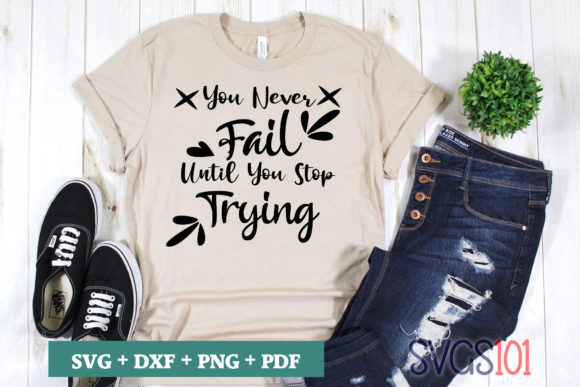
The phrase “You Never Fail Until You Stop Trying” is bold and uplifting, making it ideal for custom apparel, personalized gifts, or even nursery decor. The embroidery file itself has a clean layout with thoughtful spacing between letters and a centered arrangement that feels intentional. It uses a combination of satin stitch and fill stitch to add dimension without overwhelming the text — a smart move for designs that need to remain legible at various sizes.
Visually, this SVG gives off a modern yet approachable vibe. It doesn’t lean too heavily on intricate details, which means it should perform better on a variety of fabrics and machine types. As someone who often creates design assets for both personal and commercial use, I appreciate how versatile this one seems. However, versatility doesn’t always mean perfection for every application, and that’s where we start to dig deeper.
Real-World Stitchout Test: Tote Bag Embroidery
I decided to test You Never Fail Until You Stop Trying SVG on a medium-weight cotton canvas tote bag — a popular item for craft business owners and Etsy sellers. After resizing the design to fit a 6x10 inch hoop, I noticed that the stitch density remained consistent across the entire piece. This is crucial for ensuring that the design doesn’t pucker or distort after multiple washes.
The font choice is clear and readable, even at a reduced scale. That’s a win if you're planning to use this on smaller items like embroidered patches or caps. But here’s the thing — while the overall look is great, the corners of the letters and the inner curves could be problematic on certain machines. These areas might require manual tweaking depending on your machine's precision and settings.
Stitch clarity was good on light-colored fabric, especially when using a white or cream thread. On darker backgrounds, the contrast wasn’t as strong, so I recommend experimenting with different thread colors before finalizing any project. For an embroidery project meant to make a statement, subtle changes in color can significantly impact product value and customer trust.
Where This Design Shines
- Sweatshirt Embroidery: The design holds up well on thicker knits, especially when paired with proper stabilizer. It adds a motivational touch that works for kids’ sports teams or boutique activewear lines.
- Tote Bag Design: Perfect for creating handmade products with a positive message. It looks professional enough for a small shop product but still feels personal and custom.
- Baby Embroidery: The soft curves and balanced proportions are gentle on baby clothing and accessories, fitting naturally into holiday gifts or personalized nursery items.
- Commercial Embroidery: If you’re selling finished goods online or at craft fairs, this design maintains a level of professionalism that aligns with brand consistency. Just remember to check the licensing terms before including it in any digital product previews or downloadable files.
- Printable Mockups: The included PNG format makes it easy to create attractive printable mockups for social media or product listings. This helps boost buyer engagement and showcases your craft business offerings effectively.
Design Notes for Crafters and Small Business Owners
While this SVG is a solid option for many projects, there are a few things to keep in mind before stitching:
- Test on scrap fabric: Always run a sample stitchout before working on your final product. This helps identify issues with hoop size or stitch density early on.
- Check thread contrast: Especially important for dark fabrics. A black-and-white preview can help you assess visibility before choosing actual threads.
- Review stitch density: Dense areas may cause puckering on stretchy or thin materials. Consider adjusting the density for specific applications like tea towels or aprons.
- Confirm machine compatibility: While the SVG is suitable for Silhouette and Cricut users, DXF is recommended for Brother Canvas users. Make sure your software supports the chosen format.
- Inspect small details: Tiny lettering and decorative accents may lose their shape if not stabilized properly. Use tear-away or cut-away stabilizers as needed.
- Consider fabric texture: Coarse or textured fabrics can dull the sharpness of satin stitches. Smooth surfaces like quilting cotton or felt work best for maximum visual appeal.
- Use proper stabilizer: Especially for curved surfaces like caps or layered garments. Without it, the design may shift during stitching, affecting the final outcome.
- Confirm license terms: Before adding this to your commercial embroidery line or digital product bundle, double-check whether the design allows resale of finished items or redistribution.
When to Use with Caution
This isn’t a design that will work flawlessly in every situation. Here are some scenarios where you’ll want to proceed carefully:
- Small Hoop Sizes: If you're aiming for a mini version, such as on a patch or small accessory, some letters may become too delicate to stitch clearly.
- Stretchy or Thin Fabrics: The design's structure relies on stability. Stretchy materials like spandex or lightweight knits may require extra support and testing.
- Dark Fabric Backgrounds: The message loses impact unless you pair it with high-contrast threads or consider digitizing the background as part of the design.
- Curved Surfaces: Caps, hats, or curved pillow covers may show distortion if the design isn’t properly adjusted for the surface curvature.
- Detailed Corners: Depending on your machine, the inner angles of the letters may need slight adjustments to avoid missed stitches or uneven tension.
- Frequent Washing: Items like kitchen towels or baby clothes should be tested for durability. High-density areas may break down over time if not stitched correctly.
Final Thoughts from the Design Perspective
You Never Fail Until You Stop Trying SVG is a reliable embroidery design for most crafts and graphics projects, particularly those aimed at inspiring or encouraging. Its simplicity and clean structure give it broad appeal, making it suitable for sweatshirts, tote bags, and even apparel decorations for fitness studios or youth programs.
That said, don’t assume it will automatically work perfectly on everything. Every embroidery project needs a tailored approach. Take the time to understand how the design interacts with your materials and machines. Adjustments in thread selection, stabilizer type, and stitch count can make the difference between a beautiful finished product and one that just misses the mark.
If you're looking for a go-to SVG design that balances motivation with practicality, this one deserves a spot in your collection. Just remember to treat it like any other embroidery file — with care, attention, and a little bit of testing. Because, let’s face it, you never fail until you stop trying.