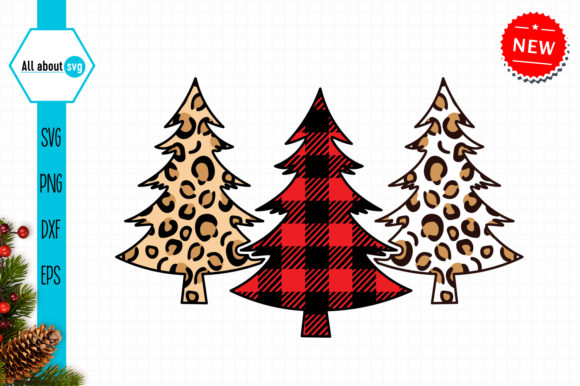
Buffalo Plaid and Leopard Trees SVG Review for Real Projects
If you're an embroidery designer or a creative entrepreneur working on custom apparel, personalized gifts, or small shop products, choosing the right embroidery file can make all the difference. Today, I'm taking a close look at the Buffalo Plaid and Leopard Trees SVG, not just as a digital asset, but as a real-world design that needs to stitch well, look great, and stand up to the demands of commercial and handmade use.
First Impressions: Mood and Visual Personality
The moment I opened the Buffalo Plaid and Leopard Trees SVG, it struck me as a bold yet balanced design. The combination of classic buffalo plaid with playful leopard trees brings a whimsical energy while maintaining a sense of nostalgia and warmth. It’s the kind of machine embroidery design that feels both modern and timeless — perfect for those who want to create unique handmade products without sacrificing style.
I immediately noticed how the layout is structured. The trees are positioned in a way that gives visual weight without overcrowding the space, and the plaid background adds texture and movement. This isn't just an applique design; it's a layered statement piece that invites creativity in placement and color choices.
Real-Life Use Cases: What Works Best?
Let’s talk about practicality. As someone who regularly works on custom apparel and sweatshirt embroidery, I found this design particularly suited for tote bags and sweatshirts. The size and detail level allow for visibility even from a distance, which is important when designing for Etsy sellers or small shop product lines where displayability matters.
For a recent project, I imagined using this design on a custom embroidered baby sweater. The leopard trees could be stylized as part of a woodland theme, paired with some soft text like “Little Explorer” or “Forest Friend.” The buffalo plaid background offers a cozy vibe that fits well into nursery decor or holiday gift items.
It also has potential for embroidered patches. When converted into a patch format, the contrast between the plaid and the tree outlines remains sharp, making it ideal for adding character to backpacks, denim jackets, or even cap embroidery. However, if you're planning to embroider directly onto a cap, be sure to consider the curvature of the surface — more on that later.
Commercial Embroidery Considerations
If you’re running a craft business or creating digital product previews, this SVG can serve as a strong design asset. Its distinctiveness helps your finished product stand out, especially when used on tote bag designs or holiday gifts. I’ve seen similar motifs work well in boutique branding, where customers appreciate the mix of tradition and trendiness.
What I like most is how versatile the thread colors can be. Whether you go for traditional red and black plaid or experiment with pastels and metallics, the design adapts beautifully. That adaptability makes it a good fit for personalized gifts or apparel decorators looking to offer seasonal variations.
Where to Use Buffalo Plaid and Leopard Trees SVG Carefully
While this design is visually engaging, there are a few areas where caution is needed. First, it's best avoided on very small hoop sizes. The details of the trees and plaid patterns may become too compressed, leading to stitching issues or loss of definition.
Also, keep in mind the stitch density. If you're working with thin or stretchy fabric, the fill stitches might pull the material or cause puckering. In these cases, using a high-quality stabilizer becomes essential. For textured fabrics like felt or canvas, the design still looks great, but you’ll need to adjust tension settings to ensure smooth coverage.
Dark backgrounds can challenge the visibility of the plaid pattern, so test the design on different fabrics before committing to a large production run. On the flip side, it shines brightly on light-colored materials — especially cotton blends and quilting fabrics — where the plaid really pops and the tree silhouettes maintain clarity.
Detail Level and Placement Tips
This SVG includes some fine lines and corners that require attention. While the overall shape is manageable, the intricate plaid grid may show imperfections on curved surfaces like caps or aprons. Always inspect the running stitch paths around the tree trunks and limbs to avoid gaps or distortion.
I recommend placing the design centrally on larger items such as blankets or pillow covers to maximize its impact. For smaller projects like tea towels or kitchen accessories, consider scaling it down carefully — don’t let the tiny lettering or narrow plaid lines become illegible or lost in the fabric grain.
Impact on Product Value and Customer Perception
From a customer perspective, this design adds charm and personality to any handmade product. It’s the kind of motif that screams "thoughtful customization" and can elevate the perceived value of a basic item into something special. For giftable items, it’s a safe bet — it’s universally appealing enough to attract buyers without being overly niche.
As a designer, I know that brand consistency is key. If you're building a line of forest-themed embroidery projects, this SVG can help establish a recognizable aesthetic. But if your brand leans toward minimalism or geometric shapes, it might clash. Be sure to assess how it aligns with your current design assets and target audience.
Visually, the plaid and leopard combo creates a fun contrast that encourages buyer engagement. I've seen similar styles boost sales on printable mockups and digital previews, where the design stands out and sparks interest. Just remember to balance it with other elements — don’t let it overwhelm simpler pieces.
Designer Notes: Pre-Stitching Checks and Recommendations
- Test on scrap fabric first: Especially if you're using this on stretchy or delicate materials.
- Check thread color contrast: Make sure the plaid colors aren’t too similar to the base fabric. A subtle change in shade can affect the final appearance.
- Review stitch density: Adjust fill and satin stitches to match the thickness of your fabric and prevent puckering.
- Confirm hoop size: Avoid hooping too tightly; give the design room to breathe during stitching.
- Inspect small details: Look closely at the tree edges and plaid intersections. These areas can be tricky if not properly supported by stabilizer.
- Use black and white mockups: This will help you evaluate how the design holds up in grayscale — useful for understanding how it'll look under different lighting conditions.
- Compare light and dark fabric backgrounds: You may find that certain placements enhance or detract from the design’s clarity.
- Use proper stabilizer: Especially for thin fabric or commercial embroidery runs. Tear-away or cut-away stabilizers can help maintain shape and stitch integrity.
- Check licensing before selling: Since this is an instant download graphic, always confirm whether it can be used in commercial projects or resold as part of finished goods.
Final Thoughts on Buffalo Plaid and Leopard Trees SVG
In short, the Buffalo Plaid and Leopard Trees SVG is a solid choice for a wide range of craft projects, provided you take the time to test it thoroughly. It brings a playful, warm aesthetic that can easily transition from personal gifts to small shop merchandise. Just be mindful of its scale, fabric compatibility, and stitch complexity.
Whether you're preparing a batch of embroidered totes for a craft fair or designing a line of holiday gifts for your Etsy store, this SVG has the potential to add a touch of wild elegance. With careful handling and smart placement, it can become a signature element in your graphics collection.
Remember, the success of any embroidery project lies in the details. Take your time, test the design, and let it shine where it belongs.